Oak, Maple, Walnut, Cherry or Ash: Choosing a Hardwood
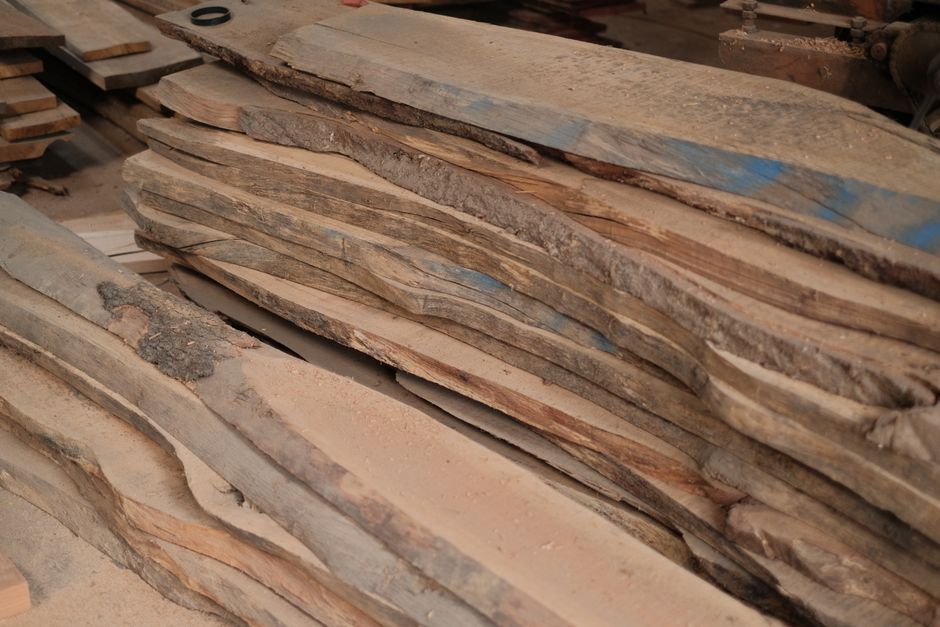
Picking a hardwood is part looks and part physics. Some species are tough enough for a work surface, others are prized for color and workability. Here is a plain comparison of five species that come up constantly in this region.
Start with how the piece will be used
A dining table takes scratches, spills and elbows. A jewelry box does not. Before you fall for a color, decide how much wear the finished piece will take, because that narrows the field faster than any sample board.
Also decide whether you will stain, paint or use a clear finish. A species with a beautiful natural color makes more sense under a clear coat than under paint.
Oak
Oak is the workhorse. It is strong, widely available and has a pronounced grain that looks right in traditional furniture, flooring, trim and cabinet frames. Red oak leans warm and pinkish. White oak is denser, more resistant to moisture and a favorite for outdoor and structural uses.
Oak takes stain well and hides wear, which makes it forgiving for a first serious project.
Maple
Hard maple is dense, pale and fine grained. It is a common choice for cutting boards, workbenches, butcher block and light modern furniture. It can be tricky to stain evenly, so many builders finish it clear to show off its clean look.
Because it is hard, it is tougher on blades and bits. Sharp tools make the difference.
Walnut
Walnut is the color choice. Its deep chocolate tones need little help from a stain, and it machines and sands beautifully. It is a favorite for tables, desks, cabinet doors and accent pieces where the wood is the star.
It is usually priced above oak and maple, so many people use it where it shows and something cheaper where it does not.
Cherry and ash
Cherry starts light and warms to a rich reddish brown as it ages and is exposed to light. It carves and finishes smoothly and is a classic for fine furniture. Expect the color to change over the first months and years.
Ash is strong, light in color and has a bold grain similar to oak. It has long been used for tool handles and sports equipment, and it works nicely for furniture and cabinets when you want a bright, open look.
Finish and color over time
Wood changes color as it ages and is exposed to light. Cherry darkens noticeably. Walnut can lighten slightly in strong sun. Maple and ash stay pale but can take on a warmer tone under some finishes. If a piece will sit in a bright room, expect the color you choose today to shift a little.
Test your finish on an offcut from the same board before you commit. It is a small step that avoids a lot of disappointment.
Grade, cut and figure
Species is only part of the choice. Boards of the same species can look very different depending on how the log was sawn. Plain sawn boards show a cathedral pattern, while quarter sawn boards show straighter grain and often the flecks that oak is known for. Quarter sawn stock tends to be more stable but costs more.
Grade matters as well. A higher grade means longer stretches of clear wood, which suits large panels and tabletops. A lower grade costs less and works well when you will cut around knots for smaller parts. Match the grade to the parts you actually need.
How to decide
Pick oak or ash for tough, everyday pieces, maple for clean light surfaces, walnut and cherry when color and finish matter most. Ask for a sample board and put a clear finish on one corner, because bare wood and finished wood can look very different.
Species availability changes with what a sawmill is cutting. Call Heartland Hardwoods to ask what we have on hand before you settle your design, since a small change of species is easier on paper than in the shop.
Not sure which species fits your project? Tell us what you are building and we will tell you what we have in stock. Call or request a quote.