How to Sell Timber From Your Land: A Landowner Checklist
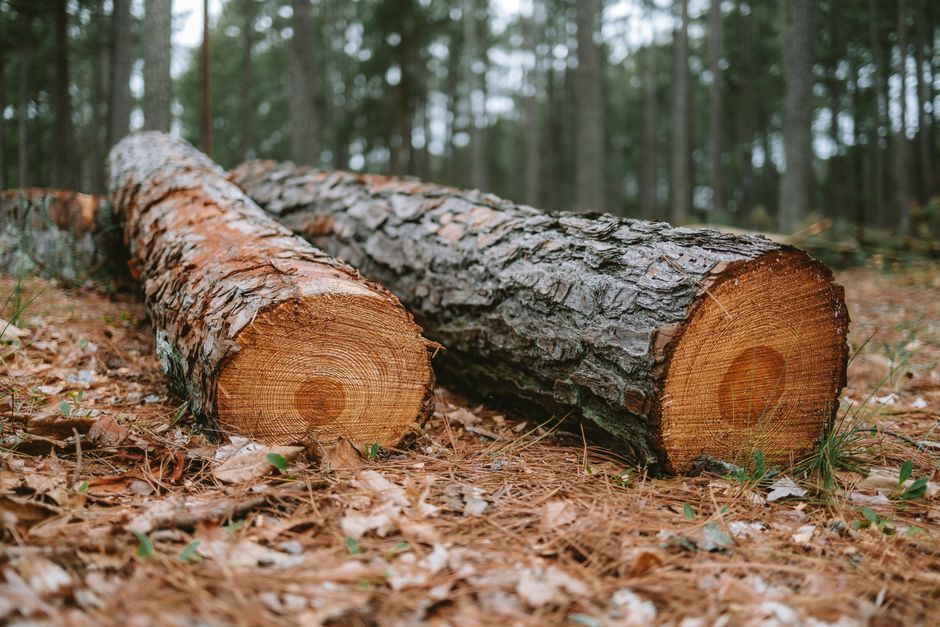
Selling timber can bring in real money, but it is hard to undo. Trees take decades to regrow. This checklist walks through what to sort out before you talk price, so you make the sale on your terms.
Decide what you want from the land
Start with your goals. Do you want income, better wildlife habitat, a healthier woodlot, a cleared field, or some mix? The answer changes what should be cut and what should stay.
Write it down. A clear goal is the best defense against a plan that serves the buyer more than it serves you.
Know your boundaries and your access
Confirm exactly where your property lines run before any marking begins. Harvesting a neighbor's tree by mistake is an expensive problem. Also think about access: trucks and equipment need a route in and a place to stack logs.
Consider streams, roads and wet ground. Harvest plans should protect them, and your state forestry agency can explain the rules that apply.
Get an independent opinion of value
Timber value depends on species, size, quality and how easy the trees are to reach. You cannot judge that by looking at a stand from the road. An appraisal or a forester's inventory tells you what you have before you hear an offer.
Speak with more than one buyer if you can, and ask each how they arrive at their number.
Put it in writing
A timber sale contract should say which trees are included, how they are marked, how and when you are paid, who is responsible for cleanup, and what happens to roads, trails and property damage. It should also state a timeline.
Do not sign something you do not understand. Have an attorney or a consulting forester look over anything unclear.
Plan for after the harvest
The woods you have after the harvest are the woods you will manage for the next generation. Ask how the harvest will affect regrowth, what to do about erosion on skid trails, and whether you should plan follow-up work.
A harvest that leaves healthy, well-spaced trees standing sets up the next one. A harvest that takes only the best and leaves the rest can leave the woods worse off.
Timing your sale
Timber prices move with the market, and ground conditions matter too. Harvesting in wet weather can rut roads and fields, so many sales are timed for dry or frozen ground. A good buyer will explain how timing affects both price and damage to your land.
You do not have to sell now just because someone asks. If the trees are still growing well, waiting can be a smart choice. An appraisal helps you tell the difference.
Common mistakes landowners make
The most common mistake is accepting the first offer. A buyer who shows up with a number is usually happy to have you decide quickly. Slowing down to get an independent opinion costs little and can change the outcome a great deal.
Another is selling for a lump sum without a plan for which trees stay. A sale that takes the best trees and leaves crooked, damaged ones can lower the future value of the stand for decades. A third is skipping the paperwork. A handshake deal leaves you with no recourse if roads are damaged, trees outside the agreement are cut or payment is late.
You do not have to work through this alone. State forestry agencies, university extension offices and consulting foresters all help landowners think through a sale. An attorney can review a contract, and your tax preparer can explain how timber income is treated. Asking for help early is cheaper than fixing a problem after the trees are down.
Talk to a sawmill that also works with landowners
Heartland Hardwoods offers timber purchasing, appraisals and landowner timber management. If you are still at the thinking stage, that is a perfectly good time to call. We will talk through your land and your goals before anything gets marked.
Thinking about a timber sale? Tell us where your land is and what you have in mind, and we will start with a conversation.