Choosing Timbers for Barns, Beams and Heavy Construction
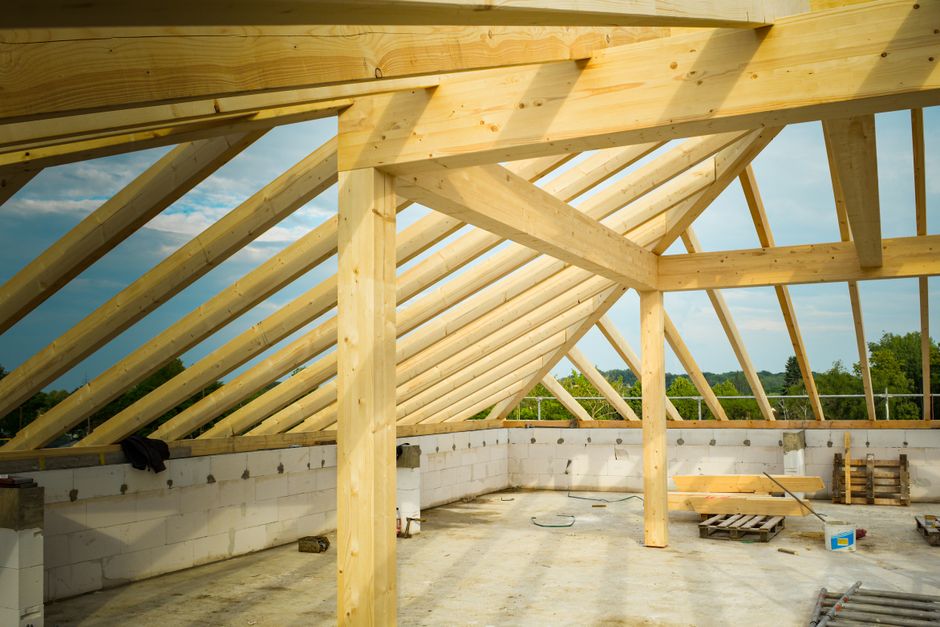
Timbers are large-section lumber used where strength and presence matter: barn frames, exposed beams, heavy supports and industrial work. Ordering them well means thinking about more than length. Here is a plain guide to what matters.
Start with the job
What will the timber carry, and where will it sit? A decorative beam in a living room has different needs than a post in a machine shed. Load, span and exposure decide the species and size, and they are worth settling before you call a supplier.
For anything structural, involve an engineer, an architect or your local building authority. Timber sizing is not a place to guess.
Species and strength
Hardwoods such as oak are strong and durable, and they have a long history in heavy framing. Different species have different strength and hardness, and some resist decay better than others. If the timber will be outdoors or near the ground, decay resistance deserves attention.
Ask what species your supplier can cut, and what they recommend for your use.
Dimensions and cutting
Give exact dimensions: thickness, width and length. Ask whether sizes are nominal or actual, because rough sawn timbers can differ from the numbers you see in a lumber catalog. If a joint or a connection depends on a precise size, say so.
A sawmill that cuts timbers to order can often provide sizes that a retail yard does not stock.
Moisture and movement
Large timbers dry slowly, and green timbers can check, or crack along the surface, as they dry in place. Small checks are normal and often cosmetic, but you should know what to expect. Some builders accept that as part of the look of an exposed frame.
If you need timbers that have already dried, ask about that up front.
Handling and delivery
Timbers are heavy. Plan how they will be loaded, hauled and lifted at your site. Confirm that your truck, trailer and equipment can handle the length and weight, and that someone will be there to help.
Finish and protection
Exposed timbers may need a finish or preservative, especially outdoors or where they touch masonry or soil. Keep ends and joints from holding water. Good detailing, such as overhangs, drip edges and airflow, does more for long life than any coating.
Interior timbers often get a simple clear finish or none at all. Either way, plan the finish before installation, because it is far easier to coat a beam on the ground.
Joinery and hardware
Large timbers are usually joined with traditional joinery, steel connectors or a mix of both. The choice affects how the timbers are cut and how much tolerance you need in the dimensions. If you plan to use mortise and tenon joints, talk with your builder before ordering so cutting allowances are built into the list.
Hardware for timber can be heavy and specific. Make sure any connectors are rated for your species and your load, and follow the manufacturer's instructions.
Write down the species you want, the exact dimensions, the number of pieces, whether they should be green or dried, and the delivery date. Confirm how the timbers will be unloaded. Check the specifications with your engineer or builder. Then send the list to the mill, and ask for a written quote that matches it.
Finally, allow lead time. Large timbers are not something a mill keeps in unlimited supply, and cutting to order takes planning. Ask how long a quote and a cut list will take, and build the schedule around it so your crew is not waiting on wood.
Talk to Heartland Hardwoods
Heartland Hardwoods, a family owned sawmill in Effingham, Illinois, supplies industrial and construction timbers. Send us your dimensions, quantity and the way you plan to use them, and we will tell you what we can cut.
Planning a barn, a beam or a heavy build? Send us your sizes and use and we will quote timbers from the mill.