Hardwood Mulch: What It Does for Beds and Trees
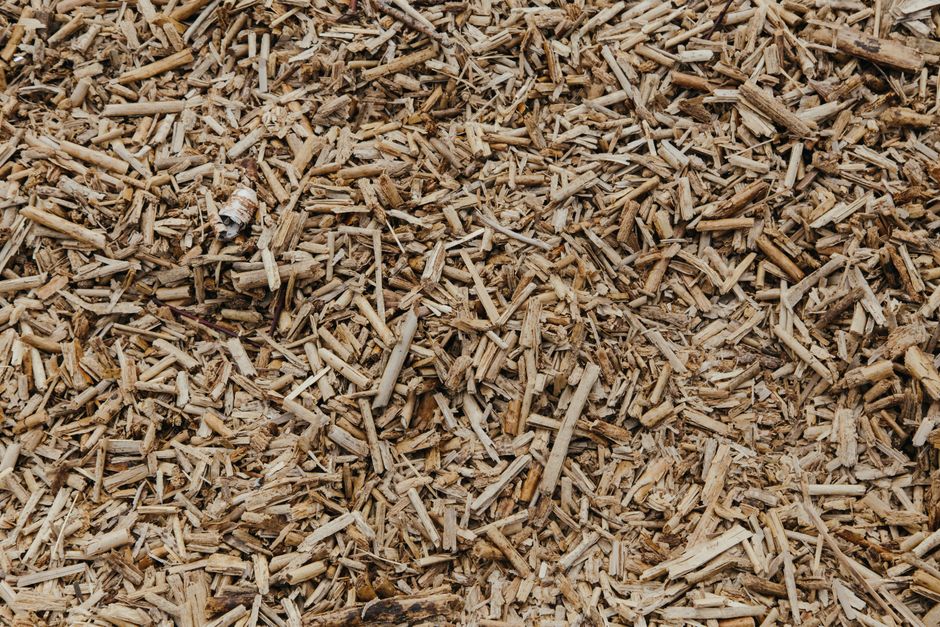
A layer of wood mulch is one of the cheapest and most useful things you can add to a landscape. This guide covers what mulch does, how to choose it and the spreading mistakes that cause more harm than good.
What mulch actually does
Mulch is a protective layer over soil. It slows evaporation so the ground stays moist longer, shades the surface so fewer weed seeds sprout, and softens the swings between hot and cold that stress roots.
As wood mulch breaks down, it feeds the soil with organic matter. Over seasons, that improves how the soil holds water and air, which is what plants want most.
Why wood mulch
Wood mulch comes from sawing, chipping and shredding wood. It lasts longer than leaf mulch or straw and holds its shape in beds. Made at a sawmill, it is often a byproduct of the same work that produces lumber, so the wood gets used rather than wasted.
Coarser mulch stays in place on slopes and resists blowing away. Finer mulch settles tighter and looks neater around flowers and small shrubs.
How to spread it
Clear the bed of weeds first. Spread mulch in an even layer, generally a few inches deep, and pull it back so it does not pile against stems or trunks. Extension services publish recommended depths for different plantings, so it is worth checking their guidance for your situation.
Water the area after you spread, especially if the mulch is dry. That helps it settle and start doing its job.
Mistakes to avoid
The most common mistake is piling mulch against a tree trunk in a tall cone. Trunks are not meant to stay damp, and a deep pile invites rot, pests and disease. Keep mulch off the bark and spread it wide instead of tall.
Another is adding fresh layer after fresh layer without checking what is underneath. If last year's mulch is still thick, rake it up and refresh it rather than burying it.
Choosing quantity and delivery
Measure the area you want to cover and decide on a depth, then ask your supplier how much volume you need. Round up a little. It is easier to spread a bit thinner than to run out halfway through.
Ask about pickup, loading and delivery options before you commit, since mulch is bulky and heavy to move.
How often to refresh it
Mulch breaks down over time, which is the point. Every year or two, check the depth. If it has thinned, add a light layer on top. If it has matted into a crust that sheds water, loosen it with a rake first.
Keep an eye out for mushrooms or mold in wet weather. They are usually harmless signs of decomposition, though you should rake mulch that has gone sour and smelly.
Where wood mulch works best
Wood mulch is a natural fit for tree rings, shrub beds, perennial borders and paths. It suits vegetable gardens less well when it is fresh, because it can tie up nitrogen as it starts to break down near the surface. Many gardeners use it on walkways between beds and use compost or finer material around plants.
Around trees, a wide ring of mulch that reaches out toward the drip line helps roots by keeping the soil evenly moist and reducing damage from mowers and trimmers.
Clear weeds, water dry soil, spread mulch a few inches deep, and keep it off trunks and stems. Shape a slight dish around new plantings so water soaks in, and edge the bed so mulch stays where you put it. Recheck in a season and top up only where it has thinned.
Mulch from a working sawmill
Heartland Hardwoods makes wood mulch at our sawmill in Effingham, Illinois. Call with the amount you think you need and how you plan to get it home, and we will quote it.
Need mulch for a bed, a garden or a job site? Call the mill or send a quote request with the quantity you have in mind.